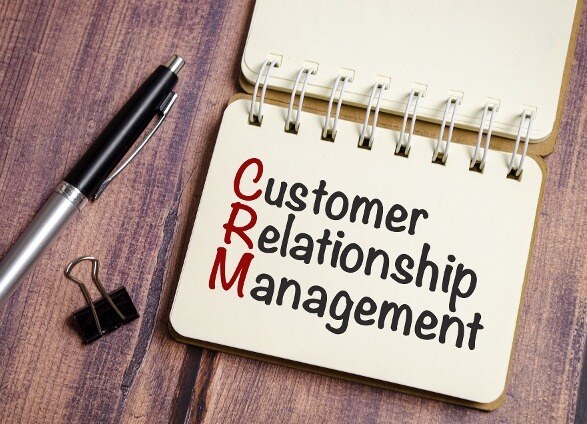
There is a common experience of people who have been working with CRMs for a long time: the problem...
Use your data to control your performance an plan your future
While HubSpot is a powerful all-in-one platform for marketing, sales, and customer service, it delivers the most value when it’s connected to your other key business tools. In today’s connected digital world, having a unified tech stack isn’t just helpful – it’s essential for staying competitive.
Imagine your tools as separate islands: marketing and sales on one, customer service on another, and accounting on a third. Without bridges between them, information gets stuck, teams lose time, and everyone works harder instead of smarter.
Businesses often rely on inefficient methods to connect systems and transfer data, such as manual data entry, repetitive copy-paste work, CSV exports and imports, or various combinations of these approaches. These methods lead to significant time waste, a higher risk of errors, and a decline in overall data quality.
HubSpot integrations act as bridges between your systems, eliminating manual work, reducing wasted resources, and minimizing errors. They connect your HubSpot platform with all your other essential business tools, bringing everything together into one unified system. This means:
In short, integrating your tools with HubSpot isn't just a nice-to-have; it's how modern businesses become more efficient, serve customers better, and achieve lasting growth.
The possibilities with HubSpot integrations are vast, catering to diverse business needs across various departments. Here are some of the most common and impactful integration scenarios:
If you use other CRMs or help desk tools, integrating them with HubSpot helps keep customer, sales, and support data in sync, so teams stay aligned, deliver more personalized service, and track performance more effectively.
Integrating email, social media, webinar, and CMS tools with HubSpot centralizes your marketing, making it easier to run campaigns, track engagement, and personalize content using data from all your channels.
Integrating HubSpot with your ERP connects front-office and back-office data, removes silos, and shares key information like pricing, inventory, and orders across teams. This makes sales and support more efficient, improves reporting, and creates a unified business environment.
Integrating HubSpot with spreadsheets and analytics tools like Google Sheets, Looker Studio, or Power BI lets you combine data from multiple sources, build custom reports and dashboards, and gain deeper insights for truly data-driven decisions.
Combining HubSpot CRM data with other databases lets you build reports and analytics tailored to your business. Using APIs, third-party tools, or file imports/exports, you can move data into HubSpot for richer reporting or out to tools like Excel or Power BI for deeper analysis.
Data loss can seriously impact any business, so a reliable backup strategy is essential. An automated, secure HubSpot backup solution should provide continuous backups, easy recovery, and reduced risk of human error. Keeping offline backup copies also adds extra protection in case of outages or security incidents.
We offer three different types of services, based on the involvement you want to have on the process
We will advise you on available options, design and configure an efficient data integration according to your needs.
We will be there to support you by monitoring the data flows on a regular basis, answring to your questions and making the necessary changes.
We can also undertake the whole project, actively working on it, qgaranteeing on the results, with out any involvement from your side.
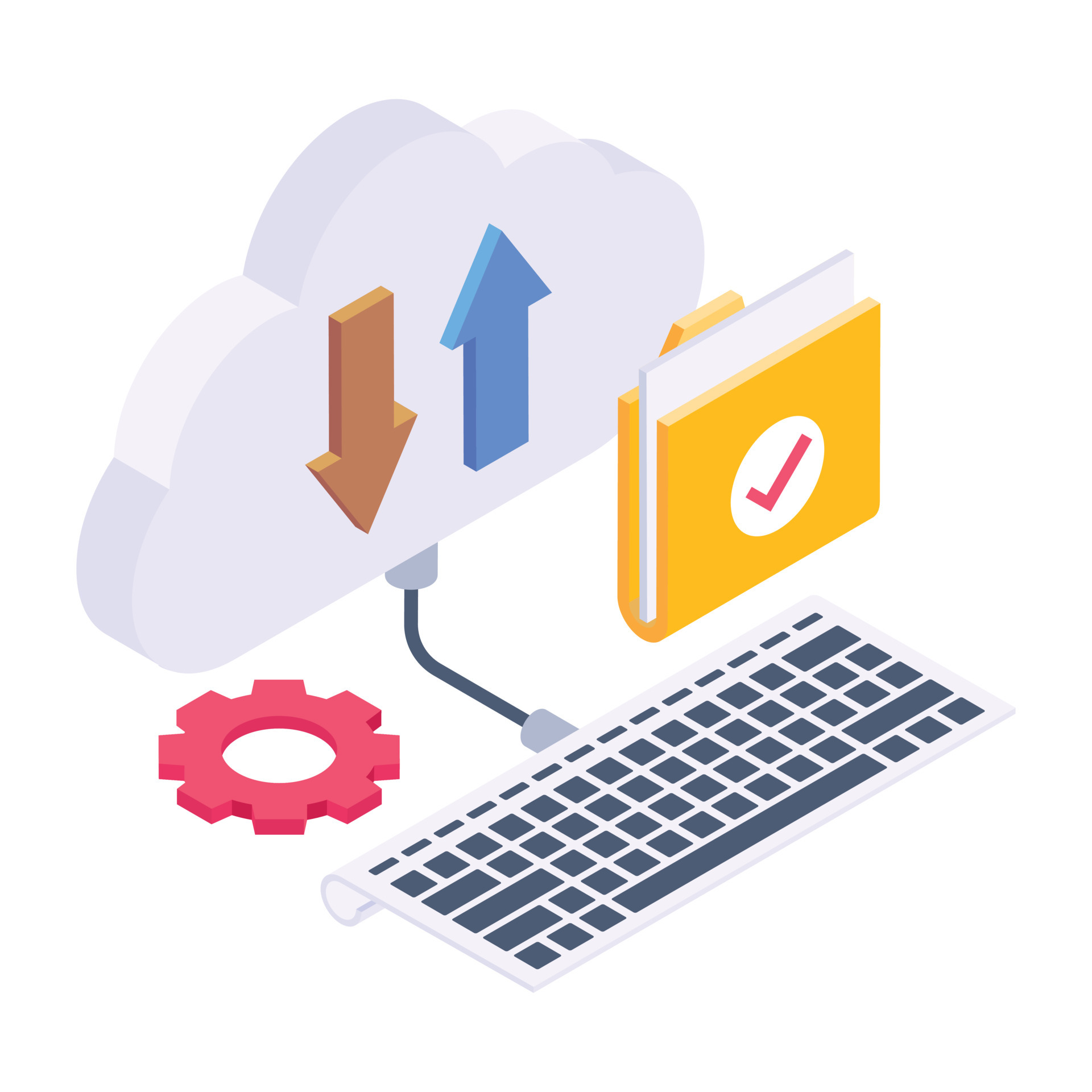
At Deep Dive, we specialize in helping businesses leverage the full power of HubSpot through strategic integrations. We work closely with our clients to understand their unique workflows and identify the integrations that will deliver the most significant impact on their marketing, sales, and service operations.
Don't let data silos hold your business back. Embrace the power of HubSpot integrations to streamline processes, gain deeper insights, and ultimately, grow better. Book a free consultation today to discuss how we can help you build a truly connected and efficient business ecosystem.
Here are some indicative cases of data & systems requiring a data quality assessment:
Yes. By mapping these platforms to HubSpot’s standard or custom objects via APIs, we can create a reliable two-way sync that keeps your unique data structures aligned across all platforms.
We set up automated data flowsfeeds your HubSpot data directly into your BI tools in real-time, removing manual work and keeping dashboards updated automatically.
We are implementing both types of integrations, depending on the case. Native apps work well for simple, standard tasks and are preferable if they fit the purpose of the specific project. However, if you have highly customized workflows, specific data filtering needs, or proprietary software, a custom API integration is required.
We use both depending on your needs. For simple, standard automation tasks, we leverage tools like Zapier or Make to save you time and budget. For complex data mapping, high volume syncing, or security-sensitive data, we build custom API integrations.
You can take a look at some interesting articles in our blog
There is a common experience of people who have been working with CRMs for a long time: the problem...