Skip to content

Design your Data Quality Policy with us


Data Governance: Quality & Privacy Framework

Data Governance is the holistic management of data across an organization. It ensures that data is high-quality, secure, and compliant with privacy regulations. By integrating Data Quality and Data Privacy, a company can turn its data into a reliable strategic asset.

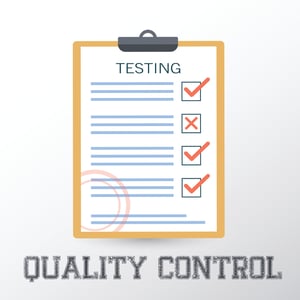
Data quality control checklist

Data Quality: The Foundation of Reliability

To ensure operational efficiency, data must meet specific standards. Our framework focuses on:

  • Quality Assessments: Regular schedules to evaluate data health and identify gaps.
  • Data Correction & Cleansing: Technical tasks including deduplication, formatting, and homogenizing information to remove errors.
  • ISO 8000 Standards: Utilizing global standards for data quality to offer valid and certified processes.
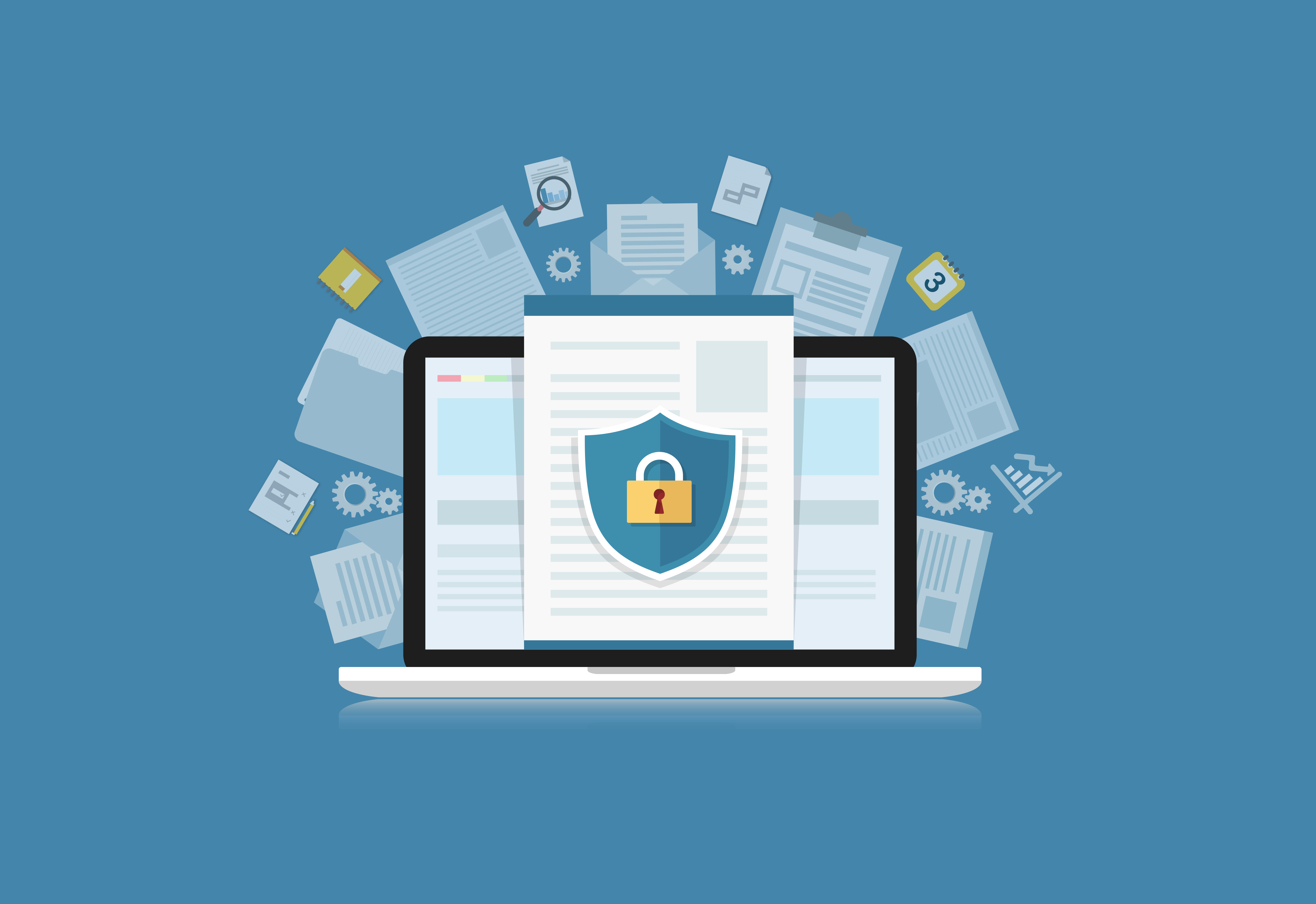
Data proetection, privacy and security

Data Privacy: Protection & Compliance

Privacy ensures that data is handled legally and ethically. This pillar focuses on:

  • Regulatory Alignment: Ensuring data management meets standards like GDPR or industry-specific rules.
  • Access Control: Defining who can see or edit information to prevent unauthorized use.
  • Data Protection Policy: Integrating security protocols directly into daily data workflows.
Data Governance Manual

The Data Governance Manual

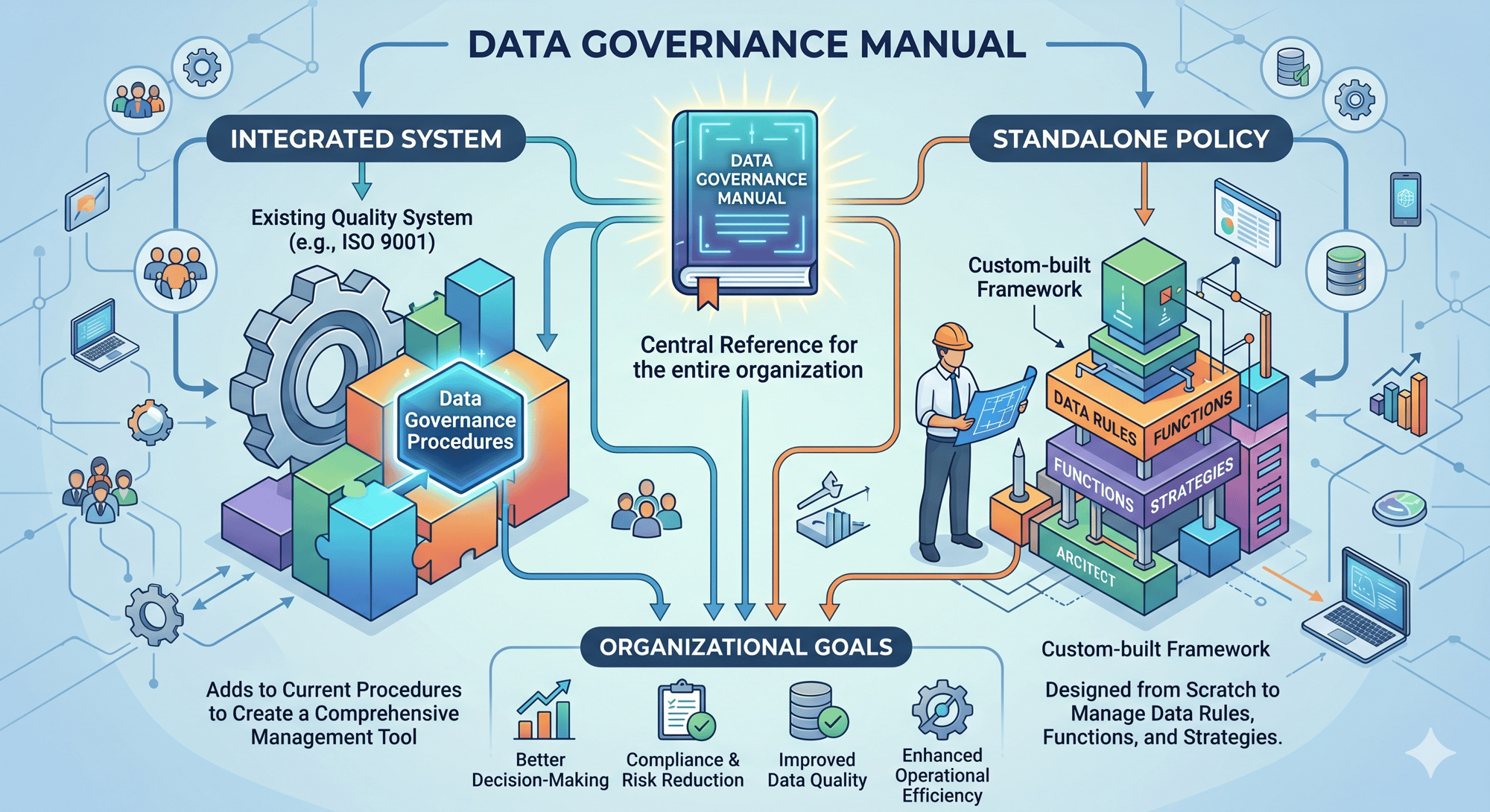
The manual serves as the central reference for the organization and can be implemented either as an integrated system, where data governance is embedded into existing quality procedures such as ISO 9001 and can support alignment with ISO standards or future certification efforts, or as a standalone policy, built specifically to manage data rules, functions, and strategies independently.

Technical Execution & Services

Successful governance requires the right tools and technical expertise:

  • HubSpot Services: Expert onboarding, integration, and analytics to ensure your CRM remains a "clean" commercial vault.
  • Data Migration: Securely moving data between systems while maintaining integrity and preventing loss.
  • Business Automation: Configuring tools and writing scripts to automate monitoring and continuous improvement.

Setting the data governace framework

A consistent Data Policy must include at minimum the following:

  • Objectives and rules

    Defining the rules and standards that the data must meet in order to fulfill operational and commercial targets.
  • Assessments schedule

    A regular evaluation program is drawn up and the cases of extraordinary evaluations are defined, including the method and terms of their execution.
  • Solving existing problems

    It refers to tasks to actively address all serious quality, privacy and security issues presenting a risk for the organization.

  • Monitoring and continuous improvement

    The systematization, monitoring of the implementation of the policy, the periodic revision of objectives, rules, processes and instructions and the continuous training of the staff.

Related posts

You can see below some related articles from our blog